Reducing Inventory Risk with Sole Selling Mandates — A Pinecliff Realty Perspective
Unsold inventory quietly eats into a developer's returns, month after month. Sole selling mandates offer a more disciplined way to manage this risk. This post looks at how centralized sales control actually reduces inventory pile-up, with real examples from South Pune's residential market.
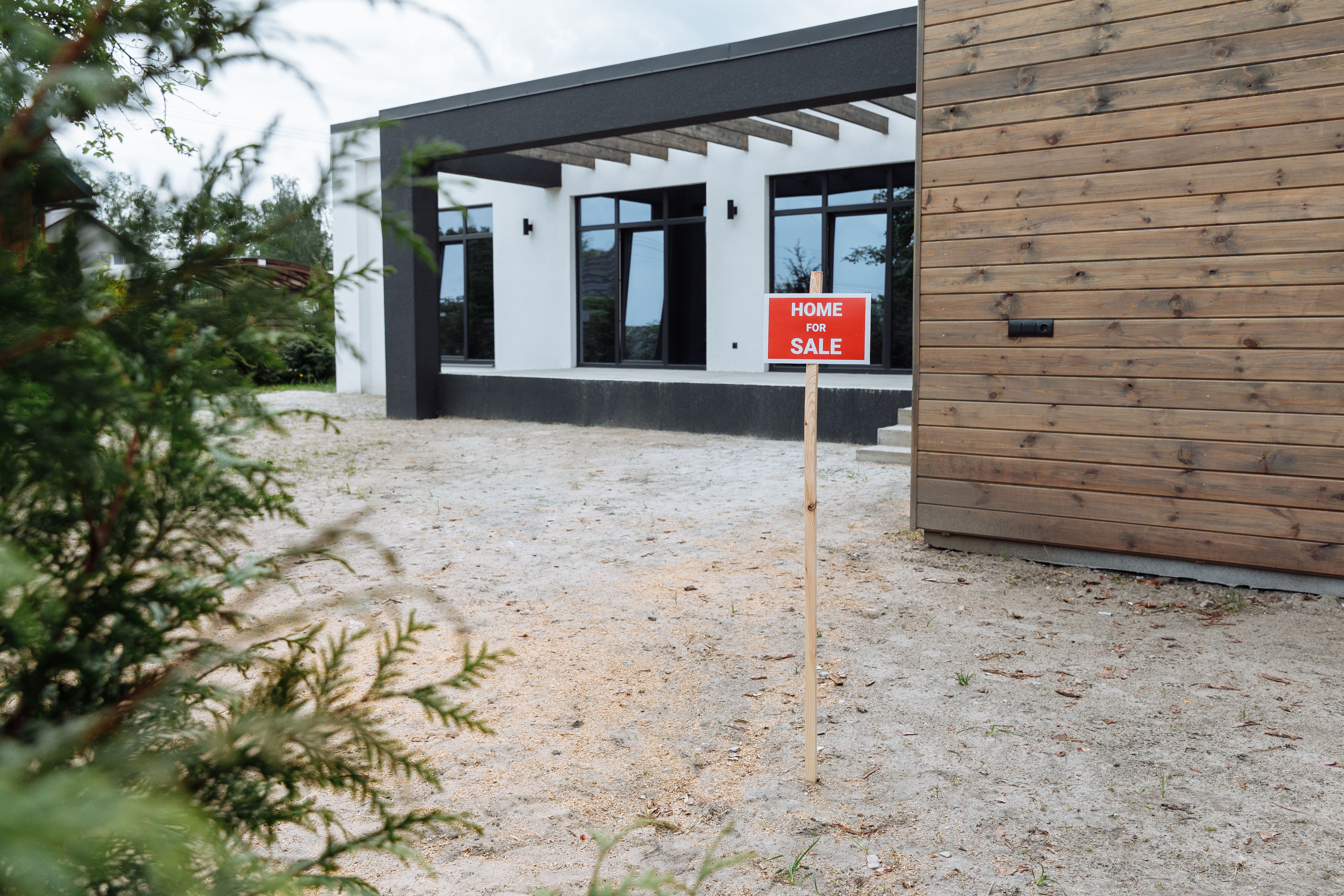
The Silent Problem Nobody Talks About Enough
Unsold inventory doesn't make headlines. Nobody writes articles about it, not really. But ask any developer, quietly, and they'll tell you, it's one of the most stressful parts of the whole business.
Every unsold unit, month after month, costs money. Holding costs, opportunity costs, sometimes even reputational costs if a project starts looking like it's "not moving." At Pinecliff Realty, we've seen this play out enough times to know, inventory risk isn't just a sales problem. It's a structural one, often tied directly to how the sales process itself is managed.
Why Inventory Piles Up in the First Place
A few common reasons, honestly, and they repeat more than you'd think.
Fragmented broker networks, where nobody's really accountable for moving specific units, everyone's just hoping someone else closes the harder-to-sell ones.
Poor phasing strategy, releasing too much inventory too early, flooding the market before genuine demand catches up.
Inconsistent pricing, confusing buyers enough that they hesitate, rather than committing.
Weak follow-up on interested leads, letting genuine buyers go cold simply because nobody circled back in time.
How Sole Selling Mandates Actually Help
1. Full Visibility Into What's Moving, and What Isn't
When one team manages the entire sales process, they see clearly which configurations are selling fast, a 2 BHK flat Ambegaon, say, versus which ones are lagging, maybe larger units in the same project. That visibility lets developers adjust strategy quickly, rather than discovering the problem months later.
2. Smarter Phased Release
A dedicated mandate team can control exactly how much inventory hits the market at once, holding back units strategically rather than releasing everything simultaneously and hoping demand keeps pace.
3. Consistent Follow-Up on Every Lead
No lead falls through the cracks simply because it got lost between multiple, uncoordinated brokers. Every inquiry, tracked, followed up, nurtured properly, regardless of which channel it came through.
4. Faster Response to Slow-Moving Units
If a specific configuration's clearly struggling, say a 3 BHK flat Dhankawdi Pune sitting unsold longer than expected, a centralized team notices this fast and can adjust pricing, messaging, or incentives before it becomes a bigger inventory problem.
A Quick Story, Because This Happened Recently
Worked with a developer in Katraj, actually, who'd been sitting on a decent chunk of unsold inventory for almost a year before reaching out to us. Project itself was fine, decent location, reasonable pricing overall.
Problem was, it'd been listed with multiple brokers from the start, nobody tracking which units were moving and which weren't. Turned out, smaller configurations had sold reasonably well, but larger units, a bit pricier, had barely moved at all. Nobody had noticed this pattern clearly, since the data was scattered across different broker reports.
Once we took over under a sole mandate, we spotted the pattern within the first couple weeks, honestly. Adjusted messaging specifically for the larger units, ran a targeted push toward upgrading families rather than general buyers. Cleared a meaningful chunk of that stuck inventory within about three months. Wasn't magic, just visibility, plus a focused response.
Why This Matters More for Certain Project Types
Larger, multi-phase developments carry more inherent inventory risk, simply due to scale. Centralized control becomes almost essential here, not optional.
Premium projects, like luxury flats Pune Dhankawdi, face slower absorption naturally, since the buyer pool's smaller. Every unsold unit costs more too, given the higher price point, so tight inventory management matters even more.
Emerging corridor projects, in areas like Dhayari, where buyer trust's still building, benefit from careful, controlled release rather than flooding an uncertain market all at once.
Practical Steps Developers Can Take
Insist on regular inventory reporting. If your not seeing clear, unit-level sales data regularly, something's missing from the process.
Set configuration-specific strategies early. Don't assume uniform demand across every unit type, plan for likely slower movers upfront.
Centralize lead tracking from day one. Retroactively fixing scattered data, like the Katraj example, takes time and costs momentum.
Review pricing regularly against actual absorption, not just initial projections made before launch.
Signs Inventory Risk Might Be Building
Certain configurations have been listed for months with minimal genuine interest
Sales team can't clearly explain why specific units aren't moving
Pricing hasn't been reviewed since initial launch, despite slower-than-expected sales
Lead follow-up feels inconsistent, or nobody's fully sure who's responsible for it
A Word on Timing
Here's the thing, honestly. Inventory risk's much easier to manage proactively than reactively. Waiting a year, like that Katraj example, means lost holding costs, lost momentum, sometimes even lost buyer confidence if a project starts looking stagnant. Catching the pattern early, within the first few months, gives developers far more room to adjust before it becomes a genuine problem.
Final Thoughts
Unsold inventory isn't just bad luck, more often, it's a visibility problem, hidden behind fragmented sales processes that nobody's fully accountable for. Sole selling mandates fix this by centralizing data, accountability, and response time, catching slow-moving units early, rather than discovering the problem months, or years, later.
As a South Pune real estate agent and established real estate mandate firm in Pune, Pinecliff Realty helps developers manage this risk proactively across Dhayari, Ambegaon, Dhankawdi, and Katraj, before unsold inventory becomes an expensive, drawn-out problem. For developers concerned about inventory risk on an upcoming launch, including future Pinecliff Realty new projects Pune South Pune, this is a conversation worth having early, not after the units have already sat too long.